


Sustainability
Sustainability report
CPH Group aligns all its business activities to the criteria of economic, environmental and social sustainability. Particular emphasis is placed on a strategic approach, continuous improvement and transparent reporting.
1. General information
Foundations for the compliation of this report
CPH Group strives to conduct its business in an ethical, legal, environmental and socially responsible manner. Sustainability is thus an integral component of its success story dating back more than 200 years and, at the same time, a prerequisite for the company’s long-term value creation. To anchor these efforts at the institutional level, CPH Group has integrated long-term and sustainable value creation by shareholders in its Articles of Incorporation.
The implementation of the sustainability strategy, which was revised and updated by the Board of Directors and Group Executive Board of CPH Group in the previous year, continued in the reporting year:
- Ambitions have been developed for all material sustainability topics for both the Zeochem and Perlen Packaging Divisions.
- These ambitions form the overarching basis for all resulting targets for CPH Group and for each of the two divisions.
- Specific actions have been formulated to achieve the targets, which will be implemented either at group level, at the level of Zeochem and Perlen Packaging, or at site level.
- The progress made is regularly measured using quantitative and/or qualitative metrics.
The assessment of material sustainability topics takes into account not only the company’s own business activities, but also the upstream and downstream value chain. In the area of environmental sustainability, it makes sense to take a differentiated approach for each division to develop a proper understanding of how the various value chains interact with the environment. When it comes to social and governance issues, however, Zeochem and Perlen Packaging are very similar.
The structure of CPH Group’s ESG reporting and the associated metrics is based on the European Sustainability Reporting Standards (ESRS). These standards define which information a company is required to disclose about its material impacts, risks and opportunities in relation to sustainability topics. Not all data and information in this sustainability report are currently available in their entirety according to ESRS requirements. As a result, this sustainability report is not yet fully ESRS-compliant.
This sustainability report additionally complies with prevailing Swiss requirements pursuant to Art. 964a to 964c of the Swiss Code of Obligations (CO) and the associated ordinance on reporting of climate-related matters. In particular, CPH Group complies with its obligation to report on environmental matters in accordance with Art. 964b para. 3 by applying the European sustainability standard ESRS E1 “Climate change” (see section 2 of this sustainability report).
This sustainability report was prepared on a consolidated basis for the entire CPH Group subject to the same scope of consolidation used for financial reporting. Sustainability reporting does not include the spun-off Paper Division for the first half of the previous year, as this approach makes reporting more forward-looking and comparable. Newly acquired companies are included in sustainability reporting from the date on which control is assumed. Accordingly, this sustainability report covers the following companies:
- Group: CPH Group AG, Perlen, Root, Switzerland
- Chemistry Division: Zeochem AG, Rüti ZH, Switzerland; Zeochem L.L.C., Louisville, USA; Zeochem d.o.o., Zvornik, Bosnia-Herzegovina; Jiangsu Zeochem Technology Co. Ltd., Lianyungang, China; Zeochem Pte. Ltd., Singapore, Singapore; Sorbchem India Pvt. Ltd., Vadodara, India; Zeochem Silica Materials Inc., Quebec, Canada; SiliCycle SAS, Paris, France; SiliCycle Associate Hong Kong Ltd., Hong Kong, China; SiliCycle (Shanghai) Science and Technology Development Co. Ltd., Shanghai, China
- Packaging Division: Perlen Packaging AG, Perlen, Root, Switzerland; Perlen Packaging L.L.C., Whippany, USA; Perlen Packaging GmbH, Müllheim, Germany; Perlen Packaging (Suzhou) Co., Ltd., Suzhou, China; Perlen Packaging Anápolis Indústria e Comércio Ltda., Anápolis, Brazil; LOG Plastic Products Company Ltd., Ashdot Ya’acov Ichud, Israel; LOG Plasticon Zrt., Tököl, Hungary
Greenhouse gas emissions for Scope 1–3 performance indicators were audited by an independent auditor. The corresponding audit report can be found here.
Governance in sustainability terms
The role of administrative, management and supervisory bodies
The highest body responsible for sustainability and thus also for the content of this sustainability report is the Board of Directors, which approved this report on 9 February 2026 and will submit it to the annual General Meeting on 17 March 2026 for approval by shareholders.
CPH Group has established a governance structure with corresponding responsibilities, information flows and reporting obligations for sustainability topics as follows. This ensures that adequate consideration is given to sustainability aspects:
- Overarching responsibility for the ESG strategy and sustainability topics lies with the Board of Directors, which is advised by the Finance, Auditing and Sustainability Committee.
- The implementation of the sustainability strategy is defined, managed and executed by the Group Executive Board, whereby the CFO coordinates all activities as the delegate for ESG affairs of the Group Executive Board.
- The delegate for ESG affairs serves as a link between the Group Executive Board and the broader ESG team as well as between the Group Executive Board and the committee of the Board of Directors respectively the entire Board of Directors.
- The ESG team is responsible for implementing the ESG strategy and achieving the related targets. It consists of the delegate for ESG affairs, representatives from Zeochem and Perlen Packaging, a representative from Human Resources and an ESG coordinator at group level. The ESG team is supported by various working groups focusing on specific topics or business areas.
Details on the composition and role of the Board of Directors and the standing committee of the Board of Directors “Finance, Auditing and Sustainability” can be found in the corporate governance report.
Information provided to and sustainability matters addressed by the undertaking’s administrative, management and supervisory bodies
The Board of Directors and Group Executive Board are regularly updated about sustainability aspects at their meetings. In the reporting year, the topic of sustainability was discussed at three meetings of the Board of Directors, at two meetings of the Finance, Auditing and Sustainability Committee, at three meetings of the Personnel and Compensation Committee (topic of own workforce) and at eleven meetings of the Group Executive Board. The topics covered included reviewing the double materiality assessment with regard to the acquisitions made, and tracking implementation of the action plans derived from the sustainability strategy. Other topics comprised current developments in the area of sustainability, optimizing and preparing the greenhouse gas balance, and sustainability reporting. In addition, the committees were informed about developments and trends in the area of sustainability management.
Integration of sustainability-related performance integrated in incentive schemes
The remuneration policy for the members of the Board of Directors and Group Executive Board is set out in the remuneration report. While the remuneration of the Board of Directors does not include a variable component, the remuneration system for the Group Executive Board also includes variable remuneration. 40 % of variable remuneration is based on defined performance targets in the dimensions customers & market, innovation, processes, employee management and sustainability.
Statement on due diligence
CPH Group applies the following core elements of due diligence: Sustainability aspects are addressed in CPH Group’s sustainability strategy, taking into account the material impacts, risks and opportunities and how they interact with the corporate strategy and business model. When dealing with sustainability topics, due consideration is given to relevant stakeholders (e.g. customers, employees, society). Action plans were defined in line with the sustainability strategy in the previous year, and their implementation is subject to regular monitoring – as also carried out in the reporting year. In addition, CPH Group ensures transparent internal and external reporting on its sustainability practices and performance, as well as appropriate governance. Based on the annual audit, CPH Group determines that no quantities of raw materials classified as conflict minerals exceeding the legally defined thresholds are imported or processed, and that there is no reasonable suspicion of child labor. Accordingly, CPH Group is released from due diligence and reporting obligations pursuant to Art. 964j to 964l CO.
Risk management and internal controls over sustainability reporting
As part of its risk management activities, CPH Group undertakes various measures including regular assessments of potential material sustainability-related impacts and risks. This is described in detail in the corporate governance report, including the material risks. The risks are considered and evaluated from the perspective of CPH Group focusing on the impact they could have on the business. Risks are identified and the associated actions are planned as part of a two-stage process in the divisions and aggregated at group level.
As the company continues to develop its sustainability strategy, scenarios for the company’s climate-related risks and opportunities were developed for the first time in the previous year, and these remained unchanged in the reporting year. These scenarios are presented here. The relevant findings are incorporated into the risk management process. CPH Group continuously improves the risk management process and updates the risk inventory in line with its relevance to the business.
In preparing this sustainability report, CPH Group worked with a specialist consulting firm that collaborated with Zeochem and Perlen Packaging to collect, calculate and validate various data. The data collected for each location are subject to ongoing review by the ESG officers and HR managers at Zeochem and Perlen Packaging. There is also a structured sign-off process and dual-control principle in place for the internal control system.
According to current assessments, there are no material risks in the areas of the environment, human rights violations, social issues, corruption or employee matters that would require immediate mitigation measures.
Strategy
Strategy, business model and value chain
CPH Group bases its business activities on criteria that are economically, environmentally and socially sustainable. The corporate strategy of CPH Group is described in detail in the section Strategy and markets.
The respective value chains of Zeochem and Perlen Packaging comprise both an upstream and a downstream component. The upstream value chain includes, in particular, purchased goods and services. Purchased goods are generally mined by CPH Group suppliers as raw materials across several stages in the value chain, processed into intermediate products, and then packaged and delivered to the production sites of the two divisions. The downstream value chain includes, in particular, delivery of our products, further processing into end products, use, recycling and subsequent disposal at the end-of-life.
Interests and views of stakeholders
To best understand the interests and views of its stakeholders, CPH Group maintains a regular dialog with stakeholders such as investors, the media, politicians and society. Zeochem and Perlen Packaging, for their part, are in ongoing dialog with customers, suppliers and service providers. The insights gained from these discussions and contacts are incorporated into strategy development, the product offering and business processes.
As internal stakeholders, employees are actively involved and regularly updated on the course of business and other relevant developments at the company. This proactive involvement of employees in the internal continuous improvement process (CIP) is highly appreciated and leads each year to valuable improvements and savings in material and resource consumption as well as in costs.
Sustainability governance explicitly requires the Board of Directors and Group Executive Board to be kept informed about stakeholders’ interests and views (including sustainability aspects). In doing so, the company contributes to fulfilling its due diligence obligations vis-à-vis its stakeholders.
Impact, risk and opportunity management (double materiality assessment)
Description of the process to identify and assess material impacts, risks and opportunities
Material sustainability topics are identified according to the principle of double materiality, which takes into account both positive and negative impacts on the environment and society as well as the associated opportunities and risks for the business success of CPH Group at the consolidated level. The assessment took appropriate account of specific circumstances relating to geography and the divisions. Based on regular dialog with various internal and external stakeholders such as employees, customers, suppliers, investors and authorities, CPH Group also took their interests into consideration. The double materiality assessment was prepared by a cross-divisional team and supported by a specialized consulting firm, and was subsequently approved by the Group Executive Board and the Board of Directors. In addition, a scenario analysis was carried out for climate-related aspects (physical risks, transition risks and climate-related opportunities) in the previous year to develop a deeper understanding of the issue (see here).
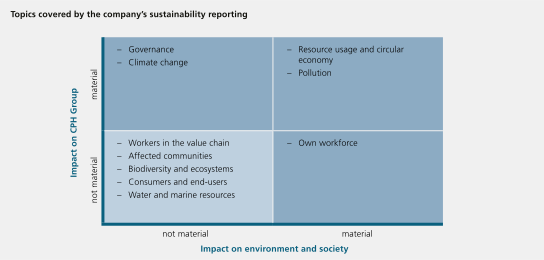
Topics covered by the company’s sustainability reporting
An overview of the sustainability topics and their respective materiality for CPH Group is provided below. They are based on the material sustainability topics that were determined for the first time in 2023 and subsequently reviewed. The following topics are classified as material: governance, climate change, resource use and circular economy, pollution, and own workforce. These material topics are addressed on a strategic and systematic basis.
Topics that are not considered material by CPH Group include workers in the value chain, affected communities, biodiversity and ecosystems, consumers and end-users, and water and marine resources. CPH Group deals with these topics on a case-by-case basis. In particular, CPH Group does not tolerate human rights violations of any kind – including human trafficking and forced and child labor – among its own workforce or among workers in the value chain. In the reporting year and in the previous year, CPH Group did not identify any such breaches, nor did it ascertain any justified suspected cases.
2. Climate change
Strategy
Transition plan for climate change mitigation
Zeochem and Perlen Packaging have been implementing specific measures relating to climate change mitigation for several years (see “Measures and resources relating to climate change” below).
Comprehensive greenhouse gas accounting (including Scope 3) enabled the available data to be expanded again in the reporting year (see here). Nevertheless, the company does not yet have sufficient data to fully identify and assess the necessary decarbonization levers. Accordingly, the company does not yet have a transition plan according to ESRS E1 (Climate change). It intends to draw up such a plan in the medium term.
Strategic climate targets and ensuing actions (including a corresponding timeframe) were developed in the reporting year to intensify and systematize the decarbonization of corporate activities, and the actions are being implemented as planned.
Material impacts, risks and opportunities and their interaction with the strategy and business model
All of the climate risks and opportunities of CPH Group that were assessed and classified as relevant are climate-related transition risks. This refers to risks that may arise from the transition to a low-emission economy.
CPH Group conducted an analysis of climate-related risks and opportunities in the previous year. The impact determined in this way is currently estimated as low. This assessment showed that CPH Group’s business model and strategy are resilient to the identified physical risks and transition risks, and accordingly they should be able to withstand future conditions considering the scenarios described below. Integrating the analysis of climate-related risks and opportunities into the annual risk management process ensures that the relevant assessment is updated on a regular basis. There were no relevant changes to the assessment in the reporting year.
Impact, risk and opportunity management
Description of the processes to identify and assess material climate-related impacts, risks and opportunities
A specialist consulting firm supported CPH Group in identifying climate-related risks and opportunities in accordance with the requirements defined by the Task Force on Climate-related Financial Disclosures (TCFD). Physical risks (chronic and acute climate hazards in the areas of temperature, wind, water and solids) as well as transition risks and opportunities of various kinds (political, legal, technological, market-related, image-related) were taken into account and their relevance was assessed in terms of the company’s own operations and value chain. To assess the exposure of CPH Group and prioritize the related risks and opportunities, an assessment was carried out based on two criteria: financial impact and probability of occurrence. Risks and opportunities are classified as relevant if, following a qualitative assessment, they have a high probability of occurrence as well as a high financial impact.
When assessing the major climate-related risks and opportunities, the following three time horizons were defined: short-term (less than 5 years), medium-term (5 to 15 years) and long-term (more than 15 years). In addition, the following scenarios were applied:
- “Net zero emissions by 2050 scenario (NZE)” based on an expected temperature increase of less than 1.5 degrees (~1.4 degrees). NZE was defined as an emissions pathway that is compatible with limiting the temperature increase in 2100 to below 1.5 degrees (with a probability of at least 50 %) if exceeded to a limited degree
- “Stated policies scenario (STEPS)” based on an expected temperature increase of more than 1.5 degrees (~2.4 degrees). STEPS was defined as an emissions pathway that reflects the current policy environment based on a sector- and country-specific assessment of energy policy actions (existing and planned)
The probability of occurrence and financial impact of the most important climate-related risks and opportunities with regard to the time horizons and scenarios specified above were assessed in accordance with the risk management guidelines of CPH Group. There were no relevant changes to these risks and opportunities in the reporting year.
Strategies related to climate change
CPH Group’s ambition is to decarbonize its production and reduce emissions to net zero along the entire value chain without compromising competitiveness. Zeochem and Perlen Packaging have identified and implemented numerous actions in recent years. To facilitate a more systematic approach to achieving this target, both companies have developed strategic climate targets in the areas of climate change mitigation, climate change adaptation, energy efficiency and the use of renewable energies. Actions with a corresponding time horizon were subsequently derived from these targets. These primarily include identification of impact pathways, Perlen Packaging’s participation in the Science Based Targets initiative (SBTi) and the associated obligations, assessment by the sustainability rating agency EcoVadis, integration of sustainability aspects into employees’ personal annual targets, higher share of renewable energies and energy efficiency, and development of products with a reduced carbon footprint – thus promoting a better environmental balance.
The identified climate-related risks and opportunities are integrated into the risk management process along with the action plans. This ensures systematic management, while suitable quantitative or qualitative metrics are defined for tracking purposes.
Actions and resources in relation to climate change policies
Zeochem and Perlen Packaging have planned and already implemented actions to expand management of the relevant climate-related risks and opportunities. Among these, the first step is to analyze impact pathways. Appropriate actions to reduce greenhouse gas emissions are reviewed and implemented on an ongoing basis, and the findings are incorporated into CPH Group’s risk management process. In addition, ESG-related targets are incorporated into employees’ personal annual targets.
Perlen Packaging joined the SBTi at the end of the previous year. The SBTi was founded in 2015 to help companies set their emission reduction targets based on scientific evidence. The process of specifying SBTi actions and developing an SBTi-compatible reduction pathway in terms of impact, feasibility, costs and timeline should be completed by 2026 and integrated into Perlen Packaging’s sustainability targets.
One measure related to climate change involves the comprehensive accounting of greenhouse gas emissions (including Scope 3) for Zeochem and Perlen Packaging. The first step in drawing up a transition plan in the medium term is to establish transparency along the value chain in order to identify decarbonization levers and track the effectiveness of individual actions. Transparency is increased by preparing annual greenhouse gas accounting, among other measures. In addition, Perlen Packaging was able to increase transparency relating to its emissions in the reporting year by replacing general emission factors from databases with actual emission factors from suppliers for key input materials.
In order to reduce greenhouse gas emissions and to improve greenhouse gas efficiency, efforts are being made to increase energy efficiency and the share of renewable energies, among other things. Corresponding measures were implemented in the reporting year.
Solar panels for hot water were installed on the roof of a new administration building at Zeochem’s Chinese production site in Donghai, helping to reduce gas consumption. Furthermore, since the middle of the reporting year, photovoltaic systems have been reducing the volume of electricity purchased. The self-generated electricity from the photovoltaic systems on the roof of the warehouse and production buildings can cover up to 30 % of the plant’s total electricity consumption with renewable energy. The two Chinese sites in Donghai and Suzhou have switched to LED lighting to reduce energy consumption. Perlen Packaging largely replaced the gas-fired condensing boiler for heating the building with heat pumps, which were commissioned in the fourth quarter of the reporting year. In addition, various technical improvements were implemented at all locations across both divisions. These help to reduce the absolute energy consumption of individual plants, increase energy efficiency and reduce the share of fossil energy sources. Energy-intensive plants were also replaced by new plants with higher energy efficiency.
Perlen Packaging also sees potential in more resource-efficient end products for blisters and vials, by substituting high-emission intermediate products and by making further investments in consumption-optimized manufacturing technologies.
Specifically, since the previous year, the company has been offering its customers the option of purchasing PVC monofilms with a greatly reduced carbon footprint in the form of the PERLALUX Mono DeCarb film. This is achieved by replacing fossil fuels with circular and biocircular source materials, combined with using renewable energies during the manufacturing process. As a result, PERLALUX Mono DeCarb films can reduce CO2 emissions from source materials by up to 80 %.
Metrics and targets
Targets related to climate change
As mentioned, CPH Group is currently developing the necessary basis for establishing specific quantitative targets for reducing greenhouse gas emissions in the form of a transition plan for climate change mitigation. Parallel to this, the first specific strategic objectives have been drawn up and climate mitigation actions implemented on a continuous basis, as already explained in the two previous sections in connection with strategies and actions.
Energy consumption and energy mix
As a manufacturing company, CPH Group operates by definition in a climate-intensive sector (classification according to ESRS: Sector C – Manufacturing / Manufacture of goods). It actively invests in plants and projects designed to make its own energy consumption more efficient. Energy use is continuously measured and monitored as a result. This energy consumption served as the basis for calculating the greenhouse gas emissions in the relevant categories (Scope 2 and Scope 3, Category 3 “Fuel and energy-related activities”).
1 including electricity without certificate of origin
The increase in energy input was primarily attributable to the acquisition of subsidiaries (+9.9 %). Adjusted for acquisitions, energy input increased by 5.4 %. This increase resulted from a different product and sales mix as well as additional steps for value creation taken in order to increase product quality and reduce raw material consumption, which also contributed to the reported increase in energy intensity. As the optimizations implemented led in particular to increased consumption of natural gas, the share of renewable energies used was lower than the previous year despite the additional self-generated electricity.
1 reviewed with limited assurance
2 market-based emissions take into account the CO2 emissions based on the electricity supply contracts of the location concerned
3 location-based emissions take into account the average CO2 emissions of the electricity grid at the location concerned
Gross greenhouse gas emissions from categories Scope 1, 2 and 3 and total greenhouse gas emissions
CPH Group has taken steps to understand and mitigate its climate impact. To better understand the factors that influence greenhouse gas emissions, the company carried out greenhouse gas accounting.
Explanation of methodology
Greenhouse gas emissions were recorded in accordance with the Greenhouse Gas (GHG) Protocol Corporate Standards and the Corporate Value Chain (Scope 3) Accounting and Reporting Standards. The greenhouse gas emissions shown in the table were audited by an independent auditor. The corresponding audit report can be found here.
In organizational terms, CPH Group comprises the two companies Zeochem and Perlen Packaging with the subsidiaries and locations are listed here. CPH Group has operational control over these locations. Basically, the same scope of consolidation was applied to greenhouse gas accounting as was used for financial reporting. All production sites were included in greenhouse gas accounting. Some sales offices were excluded from total emissions given their low materiality. As with financial reporting, acquisitions were included in greenhouse gas accounting from the date of operational control. Existing data supplemented by estimates were used for newly acquired subsidiaries.
The following categories were excluded from Scope 3 because they are not material for the activities of CPH Group and are also not applicable in industry comparison or because the resulting emissions are negligible: business travel, employee commuting, leased assets (upstream and downstream), use of sold products, franchises and investments.
The emissions were calculated taking into account all greenhouse gases defined in the United Nations Framework Convention on Climate Change (UNFCCC), specifically carbon dioxide (CO2), methane (CH4), nitrous oxide (N2O), sulfur hexafluoride (SF6), hydrofluorocarbons (HFCs), nitrogen trifluoride (NF3) and perfluorocarbons (PFCs). The resulting unit for calculating greenhouse gas emissions is t CO2-equivalent emissions (CO2e).
The following sources of emission factors were used in the calculations according to the latest available version:
- Scope 1 emissions (direct emissions): GHG conversion factors – DEFRA (Department for Environment, Food and Rural Affairs)
- Scope 2 emissions (indirect emissions from purchased energy): Ecoinvent 3.10, EPA (US Environmental Protection Agency), IEA (International Energy Agency)
- Scope 3 emissions (other indirect emissions): Life cycle upstream emission factors – IEA, GHG conversion factors – DEFRA and Ecoinvent 3.10, EPDs (environmental product declarations) and PCFs (product carbon footprints) (where applicable)
In the reporting year, primary data from suppliers (Product Carbon Footprint, PCF) were used for the first time to calculate greenhouse gas emissions, which meant that general emission factors from databases could be replaced for some of the primary source materials. This increased the accuracy of the calculations. The share of used primary data from suppliers and other partners in the value chain amounted to 15.7 % of total Scope 3 emissions in the reporting year.
The general approach to greenhouse gas accounting is based on activity data and emission factors. The calculations were chiefly based on actual activity data for the months January to November. The emissions for the month of December are extrapolated in proportion to sales.
Assumptions and estimates were necessary to close selective data gaps. CPH Group is continuously working to improve data quality and data collection processes to further reduce the use of assumptions and estimates in the future. In the reporting year, improvements were made to data quality and methodology, reducing the scope of assumptions and improving the quality of greenhouse gas metrics. For Scope 1 and Scope 2, it was possible to almost entirely use actual activity data. The following calculation methods were used for the relevant Scope 3 categories:
- Purchased goods and services (category 1): Almost 100 % of emissions were calculated using specific activity-based average emission factors. For goods where no weight data were available, the emissions were calculated on the basis of the value of goods using spend-based emission factors. Where necessary, the additional packaging weight was estimated and included accordingly in the emissions for the overall category.
- Capital goods (category 2): Emissions were extrapolated for investments made in capital goods using secondary emission factors.
- Fuel and energy-related activities (category 3): The emissions were calculated using corresponding market-based Scope 3 emission factors and the same activity data as for Scope 2. Compared to the previous year, the applied emission factors were further specified.
- Upstream transportation and distribution (category 4) and downstream transportation and distribution (category 9): These emissions were calculated using a distance-based approach. Average routes for each continent were taken into account for all modes of transport. Since it is not possible to determine exact routes with reasonable effort, these average routes constitute an approximate estimate. Secondary land transport was also included for sea and air transport based on average routes. In addition, the allocation between upstream and downstream transportation and distribution was further clarified thanks to an improved data basis.
- Waste generated in operations (category 5): Waste emissions are calculated based on the quantities of waste and emission factors for the specific types of waste. For waste emissions, a cut-off approach is used that distributes resources and related emissions over different stages of the product life cycle. The environmental impact associated with the production of recycled materials is allocated to the user of the recycled materials.
- Processing of sold products (category 10): The calculated emissions take into account the processing of sold products prior to final consumption by other companies. This category is not relevant for Zeochem as the products are used by customers without further processing. For Perlen Packaging, thermoforming is the main process used for processing sold products. A corresponding emission factor was used for thermoforming from Ecoinvent 3.10.
- End-of-life treatment of sold products (category 12): At Zeochem, molecular sieves and gels are the primary end-of-life products and are considered hazardous waste due to possible contamination. In the absence of information on disposal, incineration was assumed. Incineration was also assumed for Perlen Packaging, and an emission factor for plastic incineration was used in relation to the disposal of blister packaging.
1 market-based emissions take into account the CO2 emissions based on the electricity supply contracts of the location concerned
2 location-based emissions take into account the average CO2 emissions of the electricity grid at the location concerned
Notes on CO2 emission trends
In total, around 575 000 tonnes of CO2e were emitted across all value chains of CPH Group. Of this, a small share of 2.6 % came from the company’s own value creation process and 5.4 % from the generation of purchased energy. By contrast, the majority of the emissions reported in in the reporting year (92.0 %) came from the upstream and downstream value chains at suppliers, service providers, customers and end consumers.
Greenhouse gas emissions increased market-based by 1.8 % in the reporting year. This increase was primarily attributable to the acquisition of subsidiaries (+6.2 %), although clarifications led to a reduction in emissions of around 6.9 %. Adjusted for acquisitions and clarifications, there was a slight increase of +2.5 %. This increase came largely from the upstream and downstream value chain (Scope 3) and was attributable to a wide range of effects. These include, in particular, the effects of the changed production volume and the changed product and sales mix.
Emissions generated in the company’s internal value creation process (Scope 1) increased by 9.8 % in the reporting year. Adjusted for acquisitions and clarifications, the increase came to 8.2 %. This increase resulted from a different product and sales mix as well as additional steps for value creation taken in order to increase product quality and reduce raw material consumption.
Indirect emissions (Scope 2, market-based) arising from the production of purchased energy increased by a total of 2.2 % in the reporting year. On the one hand, this figure increased by 18.1 % due to the acquisition of subsidiaries, while a review of the applied emission factors led to a 14.3 % drop in the figures and thus to added clarification in the calculations. Adjusted for acquisitions and clarifications, there was an actual reduction of 1.6 % due to the different product and sales mix.
CO2 emissions from the upstream and downstream value chain (Scope 3) increased by 1.6 %. Acquisitions of subsidiaries contributed +5.6 % to this increase, while clarifications in the collection and calculation methods contributed - 6.6 %. Adjusted for acquisitions and clarifications, there was an increase of 2.6 %, primarily in the category of purchased goods and services, with changes in purchasing volume and procurement mix contributing to this. Clarifications in the calculations mainly included the first-time use of supplier- and product-specific primary data (PCFs, Product Carbon Footprints), which take into account the actual emissions of the individual products better than the emission factors available in databases.
Further clarifications included the review of the emission factors applied to upstream fuel and energy-related activities (Scope 3, Category 3), which – together with the acquisition of subsidiaries – led to a significant increase in the reported values in this category. Thanks to an improved data basis, it was possible to improve the allocation of transport and distribution in the upstream (Cat. 4) and downstream (Cat. 9) categories. This led to a significant increase in emissions in upstream transport and distribution and to a simultaneous reduction in downstream transport and distribution. In addition, the emission factors for waste generated in operations (Cat. 5) were reviewed, resulting in a significant increase on this line.
In addition, 15 tonnes of CO2e were emitted in the reporting year (prior year: 13 tonnes).
Greenhouse gas removals and greenhouse gas mitigation projects financed through carbon credits
At present, there are no greenhouse gas reduction projects financed by carbon credits.
Internal carbon pricing
CPH Group does not have an internal carbon pricing system.
Expected financial effects related to climate change
In consideration and application of the definitions of probability of occurrence and financial impact as per CPH Group’s risk management system, the following main climate-related risks and opportunities were identified:
Climate-related risks
- Shifting customer preferences: Customers are increasingly setting themselves climate-related targets and, in particular, are demanding that Perlen Packaging set and implement its own climate mitigation targets. Non-compliance with these requirements could potentially have a negative impact on sales and results in the short to medium term, although the financial impact is estimated to be low. Actions such as implementing the set climate mitigation targets or registering with SBTi have an offsetting effect.
- Impact of regulations on the supply chain and on the extraction of raw materials: Key suppliers of source materials are increasingly affected by stricter climate policy measures, which can impact the corresponding costs in the medium to long term. The potential financial impact is currently assessed as low, as it is expected that additional costs will lead to higher sales prices under the same competitive conditions.
- Increased investment costs: Investment costs for adapting own processes and production lines to make them more climate-friendly (e.g. with regard to decarbonization as part of the SBTi) could potentially lead to additional investment requirements over a possible period of ten years, However, the financial impact of this investment is expected to be low, with additional costs anticipated to lead to higher sales prices.
Climate-related opportunities
- Increasing customer demand for more sustainable products: CPH Group is continually developing new products that cause fewer emissions during use or onward processing and thus meet the need on the part of customers to reduce their own emissions. This has a potentially positive financial impact in the medium term, depending on customers’ willingness to pay for sustainable products.
- Low-emission packaging solutions: Innovative, climate-friendly packaging solutions offer opportunities to save costs along the entire value chain (reduced use of materials, cheaper materials, easier disposal or recycling) and could create a competitive advantage in the medium term if this is increasingly demanded by customers. The potential positive financial impact primarily depends on customers’ willingness to pay for low-emission packaging solutions.
- Recycling of molecular sieves: The recycling of molecular sieves enables us to reduce resource consumption and lower our energy requirements in production. This not only makes our business more sustainable, but also more resilient to fluctuations in material prices.
3. Pollution
Impact, risk and opportunity management
Policies related to pollution
CPH Group is aware of its responsibility as a company to prevent and reduce pollution. It aligns its actions accordingly, based on the ambition of CPH Group to avoid the release of polluting substances and to comply with all applicable local regulations. The prevention and reduction of pollution is integrated into the fundamental planning and decision-making processes at Zeochem and Perlen Packaging. CPH Group has identified the greatest levers to be the sparing and efficient use of resources and the recycling of production waste and its own products. Relevant information can be found in the section “Resource use and circular economy” of this sustainability report.
Actions and resources related to pollution
Each production site has an environmental officer. Their responsibilities include raising awareness of and ensuring compliance with local regulations on air, water and soil pollution. Standardized work processes have been defined in relation to handling hazardous substances. Employees receive regular and targeted training on how to handle hazardous substances. Regular internal and external safety training ensures that the handling of hazardous substances is always conducted in accordance with the law and that appropriate steps are taken to prevent accidents and the release of polluting substances.
Metrics and targets
Targets related to pollution
Zeochem and Perlen Packaging continuously monitor the use and release of environmentally harmful substances. The legally prescribed limits for emission concentrations in the air, water and soil are complied with. No need for further measures was identified beyond the monitoring and processing measures already in place. Where necessary, appropriate additional targets are established for air pollutants, emissions in water and soil pollution, as well as for the prevention or reduction of substances of concern and of very high concern.
To ensure a responsible approach in environmental matters, Zeochem introduced an environmental management system certified in accordance with ISO 14001 at its sites in Donghai (China) and Zvornik (Bosnia-Herzegovina) several years ago. The site in Louisville (USA) was certified in the reporting year; certification for the Swiss site in Rüti is planned for 2026. Certification according to ISO 14001 will also be undertaken at Zeochem’s other production sites in the years ahead.
Pollution of air, water and soil
The greenhouse gas emissions detailed in the section “Climate change” are classified as pollutants released into the air. Other potential emissions into the air from production processes are reduced by using suitable filter systems, for example. In addition, chemical processes are usually conducted in closed systems.
The resource-efficient use of water is discussed in the following section on water and marine resources. Wastewater is pretreated if required, for example in precipitation plants or through neutralization, and treated in local wastewater treatment plants. A variety of safety precautions and concepts are in place to prevent soil pollution. These include drip trays in areas with an increased risk of exposure and the careful storage of hazardous substances.
Like in the previous year, no incidents of air, water or soil pollution were recorded in the reporting year. Adjacent to the former production site in Uetikon am See (Switzerland), remediation on the lake bed that had been backfilled by Zeochem’s predecessor company is ongoing. By the previous year, 80 % of the affected area had been renovated. The remediation work is being carried out in close collaboration with the public works office of Canton Zurich, which is in charge of the project. CPH Group is represented in the steering group and is financing 80 % of the clean-up costs (see also Note 20 to the consolidated financial statements).
When manufacturing plastic blister packaging, Perlen Packaging ensures that no microplastics are released into the environment. The primary source material PVC is supplied in powder form (microplastics, by definition). This is transformed during processing into a different state, meaning the end product – the plastic film – is no longer considered by definition as microplastics. Processing the PVC powder in closed cycles prevents microplastics from being released into the environment during production.
Substances of concern and substances of very high concern
In production at Zeochem and Perlen Packaging, substances classified as “of concern” or “of very high concern” are sometimes used as raw materials or auxiliary materials, or they are contained in these in low concentrations. However, no products are sold that are classified as “of concern” or “of very high concern.” Chemicals are defined as “of concern” if they have potentially harmful effects on human health or the environment. Chemicals that, due to their potential hazards, may have significant effects on human health and the environment are classified as “of very high concern”. These substances are subject to regular risk assessment. All activities related to these substances – including transport, storage and disposal – are described in standard operating procedures and are carried out by specially trained experts or specialist companies. Trained specialists and suitable safety precautions, such as handling substances of very high concern in closed circuits, ensure safe operation. No material potential risk to employees, local communities or the environment is expected as a result.
4. Water and marine resources
The topic of water and marine resources was classified as non-material in the double materiality assessment (see the materiality assessment). No material positive or negative impacts, risks or opportunities related to water and marine resources were identified. This is due in particular to the fact that only small quantities of water are required to manufacture Zeochem and Perlen Packaging products, which are almost entirely treated by local wastewater treatment plants and returned to the natural water cycle.
Water is a valuable natural resource and CPH Group strives to use water efficiently. With that in mind, water use is monitored especially closely at the sites in China, India and Israel, as these are located in areas subject to high water stress according to the Aqueduct Water Risk Atlas. In the reporting year, water withdrawals amounted to 744 000 m3 (prior year: 571 000 m3). More than 98 % of the water withdrawn is treated and returned to the natural water cycle. Water consumption is therefore negligible. Of total water withdrawals, 5.6 % is in areas subject to high water stress (prior year: 10.5 %).
In the reporting year, Zeochem used a plant developed in the previous year to treat wastewater with a high salt content, which increases water efficiency by recovering purified water (see section 6 “Resource use and circular economy”).
5. Biodiversity and ecosystems
The topic of biodiversity and ecosystems was classified as non-material in the double materiality assessment. No material positive or negative impacts, risks or opportunities related to biodiversity and ecosystems were identified. Due to its very low significance for CPH Group, no further reporting is provided on this topic.
6. Resource use and circular economy
Impact, risk and opportunity management
Strategies related to resource use and circular economy
Waste prevention and reduction as well as the efficient use of resources have been integrated into planning and decision-making processes at CPH Group’s divisions for many years. The circular economy and sustainable products are currently viewed as material opportunities.
CPH Group’s ambition is to advance the development of recyclable products and to reduce to a minimum the amount of waste generated in production processes. Reusability and recyclability are key criteria here.
Actions and resources in relation to resource use and circular economy
The companies of CPH Group contribute to avoiding waste by reducing production waste as well as by recycling various materials used in production.
The molecular sieves produced by Zeochem are of mineral origin. They can be reprocessed and reused multiple times and provide customers with sustainable and long-lasting solutions.
D2O, or heavy water, is a source material for many isotope exchange reactions. At the Swiss site, all depleted D2O is carefully collected and combined with low-concentration D2O returned by customers. Using a special technology applied at Zeochem that is in sync with the circular economy, it is enriched into concentrated and reusable heavy water.
Zeochem uses a desalination plant at its Donghai site in China for treating wastewater with a high salt content. The new process developed in the previous year facilitates the separation of chemical substances such as calcium chloride (CaCl2) and reduces salt consumption by around 30 %.
In the USA, Zeochem takes back steel drums used by its customers and prepares them for recycling. On the back of successful implementation of these programs, further initiatives are being introduced for recycling packaging units and transport containers.
The large tank containers used by Perlen Packaging for storing and transporting liquids at the Swiss site (IBC containers) are returned to the manufacturer for reprocessing after use. The preliminary paper used in production in Switzerland is recycled. Thanks to its coating, this paper does not absorb liquids and can then be used in vegetable crates. The PVC, PE and PVdC waste generated at the production site in China is sold to another company, which uses it to produce plastic containers for plant seedlings. Moreover, the Brazilian site recycles PVC and PVdC production cuttings into products such as door stoppers and PVC wooden doors in partnership with a door manufacturer.
Drug packaging made with Perlen Packaging’s plastic films often consists of two components: coated plastic films, which are thermoformed and hold the drug, and aluminum foils, through which the drug is pressed. These blisters composed of different components (plastic/metal) are more difficult to recycle than pure plastic packaging. For regulatory reasons, the circular use of pharmaceutical packaging in the primary circuit is prohibited.
Metrics and targets
Targets related to resource use and circular economy
Based on the ambitions specified above, CPH Group has set itself the strategic targets of expanding its recyclable product portfolio, implementing systematic waste management at all production sites, minimizing production waste, and maximizing recycling of production waste, residues and consumables. These strategic objectives contribute in particular to reducing material consumption and effecting a commensurate reduction in greenhouse gas emissions.
Resource inflows
Zeochem uses mineral source materials and heavy water (D2O) as well as intermediates for production.
Perlen Packaging mainly processes hard PVC into films and HDPE into vials. The films are generally processed further into blister packaging in the downstream value chain together with aluminum films. The PVC purchased by Perlen Packaging has a lower carbon footprint over its full life cycle compared to other petroleum-based polymers.
No quantities of raw materials classified as conflict minerals are imported or processed in excess of the legally defined thresholds. These include tin, tantalum, tungsten and gold. Tin stabilizers are used in certain packaging products. The suppliers of these stabilizers are subject to regular review by the division to ensure that no tin is sourced from conflict areas and that the applicable rules of the Responsible Minerals Initiative (RMI) are complied with.
Resource outflows
CPH Group supports the circular economy with its activities and products by promoting the efficient use and recycling of materials. Reuse and recyclability are key principles here.
Zeochem contributes to avoiding waste by reducing production waste as well as by recycling various materials used in production. These include, for example, mother liquor, molecular sieves, steel drums, wooden pallets, heavy water (D2O) and the big bags in which the molecular sieves are packaged. Solid waste materials from silicate-aluminum-clay compounds that are produced during the manufacture of molecular sieves are disposed of in landfills for inert materials.
Perlen Packaging is committed to the recycling of PVC. In Müllheim (Germany), the process-related edge cuttings are ground directly from the calender line using an edge strip mill and fed back into the extrusion process. These sections are therefore reintroduced directly into the film production process, making a further positive contribution to the circular economy. Plastics that cannot be recycled in our own process are either processed by a third-party supplier into tubes onto which the films are then wound, or sold to recycling companies who convert them into other PVC products. More than 90 % of PVC production waste is recycled.
The increase in the amount of waste generated was primarily attributable to the acquisition of subsidiaries (+11.2 %) and a changed product and sales mix. Thanks to the high proportion of recycled materials, the share of recycled waste remained high at 82.9 % (prior year: 88.7 %).
7. Own workforce
Strategy
Material impacts, risks and opportunities and their interaction with the strategy and business model
The global success of CPH Group is largely determined by the knowledge, skills and motivation of its employees. The company acts responsibly toward its employees at all locations. It actively addresses this issue within the context of human resource management (HRM) and continuously assesses risks that could counter this objective. Actions are implemented to reduce these risks, where necessary.
CPH Group does not tolerate discrimination based on gender, skin color, religion, nationality, disability, age, sexual orientation, physical or mental disability, marital status, political views or other characteristics protected by law. Any form of physical or psychological violence, bullying or sexual harassment in the workplace is prohibited.
CPH Group regulates its HR aspects within the framework of its Guiding Principles and its personnel regulations. Across all its divisions and locations, CPH Group complies with fundamental international labor standards; it also follows national and local labor and safety laws and regulations.
CPH Group’s ambition is to promote employee satisfaction and their identification with the company, ensuring it remains attractive on the labor market. The recruitment and retention of employees and the transfer of knowledge present key challenges for HR in this context. At a time when the labor market in various regions is confronted by a significant shortage of skilled workers and an aging workforce, the transfer of knowledge and effective employee recruitment are becoming decisive factors for companies’ long-term success.
Impact, risk and opportunity management
Strategies related to own workforce
In line with CPH Group’s ambition to promote employee satisfaction and their identification with the company and to remain an attractive employer on the labor market, CPH Group has defined the following six strategic fields of action: occupational safety, commitment of the workforce, intensified recruitment and needs-based training, succession planning for all management and key positions, diversity in the workplace, and wages in line with the market. The top priority is to protect employees from work-related accidents and, accordingly, to keep the number of work-related accidents as low as possible. More information can be found in the subsection Health and safety.
Processes for engaging with own workforce and workers’ representatives about impacts
An open communication culture, leadership that exemplifies corporate values, and a safe, healthy and diverse working environment form the basis for involving employees and reinforcing their identification with their work as well as with the company.
Company information is communicated via various formats, including face-to-face meetings, employee meetings, the intranet, the employee magazine and appropriate notices. Employee performance reviews are held annually. The employee representatives at the individual locations are involved within the scope of the applicable statutory provisions.
The continuous improvement process (CIP) identifies and implements process optimizations and cost savings throughout CPH Group, which are aimed at improving the quality of products and services and increasing customer satisfaction and employee commitment. Every idea counts that optimizes processes, saves energy, protects the environment and saves resources, contributes to safety, enhances the working environment or improves the financial result. Suggestions for improvement are evaluated as part of a clearly structured process. Experience shows that half of the ideas submitted are put into practice. The CIP is also integrated into individual performance targets and is the subject of annual training within the divisions. 633 suggestions for improvement based on the CIP system were submitted in the reporting year.
Processes for improving negative impacts and channels for own workforce to raise concerns
CPH Group operates a whistleblower system, which was rolled out at all locations worldwide in the reporting year. This system allows employees to report concerns anonymously. The option still also exists to contact the relevant HR manager internally.
An in-house social counseling service was established in Switzerland in the previous year, which gives employees the opportunity to contact a neutral body in the event of professional (e.g. problems in the workplace, bullying), health (e.g. psychological problems, burnout) and personal (e.g. financial, family) difficulties. The workforce is provided with a professional counseling contact in the form of a specialist partner. Through this in-house social counseling, CPH Group is taking proactive, preventive measures to maintain and strengthen the health, motivation and performance of its employees.
Taking actions on material impacts on own workforce, and approaches to managing material risks and pursuing material opportunities related to own workforce, and effectiveness of these actions
To protect employees from accidents and keep the number of work-related accidents to a minimum, each site has an occupational safety officer and holds regular occupational safety training sessions. Approaches to improving occupational safety can also be addressed via the established continuous improvement process (CIP). If an accident occurs, it is analyzed as part of a defined process to prevent recurrence in the future. These and other measures will be continued and adjusted as necessary.
CPH Group carries out a global survey of its workforce every three years on the topics of employee satisfaction, working environment and professional development, leadership, communication, innovation, customers, strategy and commitment. In the last survey in fall of the reporting year, 82 % of employees took part. The approval ratings achieved in the reporting year were at least on a par with the already high values from the 2022 survey. The engagement index rose slightly to 80 %. Customers, leadership, communication, corporate strategy, and working environment and professional development received the highest level of approval at 80 % to 89 %. In its efforts to further reinforce commitment among employees, CPH Group derives specific measures from the latest employee survey.
Another priority will be continued needs-based training and systematic succession planning for all management and key positions. Alongside the prescribed occupational safety training, employees also have the opportunity to take part in individual, job-related courses. CPH Group attaches great importance to developing competencies such as leadership, communication, social intelligence, organizational development and specialist knowledge, and promotes these through the CPH Academy. All employees already have access to a comprehensive e-learning offering. Following its successful launch in German-speaking countries, collaboration with universities of applied sciences and business schools for specially selected seminars is now also being considered for other countries.
CPH Group offers an attractive working environment where employees can develop their individual potential (further details can be found in the section “Diversity in the workplace”). The salary policy should continue to pursue salaries that are in line with the market moving forward (see section “Salary policy”). Another action is continuously reviewing options for expanding fringe benefits.
Metrics and targets
Targets related to own workforce
The targets in the individual subject areas were already explained in the previous section in relation to the actions. The characteristics of employees of CPH Group are described in more detail below.
Metrics on the company’s employees
Staff turnover declined slightly in the reporting year. While targeted measures helped to significantly reduce staff turnover in Asia in particular, this was offset by the first-time inclusion of acquisitions.
Collective bargaining coverage
Perlen Packaging has a collective bargaining agreement at its Perlen site in Switzerland. This applies to 209 employees. At the site in Müllheim (Germany) with 163 employees, the collective bargaining agreement of the trade union for mining, chemicals and energy industries (IGBCE) is used as the basis. In all other cases, individual employment contracts were concluded.
Diversity in the workplace
At CPH Group, all employees should be able to develop to their full potential, regardless of age, gender or other criteria. CPH Group therefore pursues a fair and non-discriminatory employment policy. Individual performance, skills and potential in the respective job are decisive factors in hiring, training and promotion.
Collaboration is actively practiced and promoted as part of multicultural teams. This is also a top priority for CPH Group, as 78 % of employees worked for the company at locations outside Switzerland at the end of the reporting year. At the end of the reporting year, employees from 46 countries (prior year: 44) were employed at CPH Group.
At the end of the reporting year, CPH Group employed 1 244 people, 285 more than in the previous year. The proportion of women in the workforce increased to 30.6 % in the reporting year, compared with 25.2 % in the previous year. The increase in both values is mainly attributable to acquisitions. In the interests of optimizing staff recruitment, diversity will continue to be promoted as determined by the availability of suitable specialists. Criteria such as performance, experience and competence also take priority in the application process alongside diversity aspects.
Salary policy
CPH Group pursues a fair and transparent salary policy that is based on local and regional practices. This salary policy aims to offer competitive wages that take into account requirements, performance, results and conduct. It rewards above-average commitment, e.g. with bonuses or, in the case of management positions, with a variable salary component. This is linked to the achievement of individually defined performance targets and the financial performance of the group or the respective division. At the sites in Switzerland – and, where appropriate, also in other countries – salaries are reviewed annually (every three years for members of the Group Executive Board and management) to ensure that they are structured in line with the market. This is intended to ensure that no employee receives an inappropriate salary and that equal pay is guaranteed.
Social protection
CPH Group offers its employees support in the event of accident, illness, maternity or paternity leave, and access to healthcare. The scope of the services provided is based on local requirements and practices at the respective locations. This also applies to employee pension provisions. In Switzerland, employees are insured under a defined-contribution pension fund. The funding ratio was 124 % at the end of the reporting year (end of prior year: 122 %). In principle, all employees are insured under the pension plan according to local regulations wherever possible. CPH Group has also operated an in-house social counseling service since the previous year (see here).
Education, training and skills development
Vocational training is an important success factor to maintain the long-term competitiveness of companies and the economy through qualified specialists, and assists with recruiting new employees as part of increased efforts to hire and fill vacancies. CPH Group assumes social responsibility with its commitment to vocational education and training at its locations in Switzerland and Germany. Zeochem has entered into a partnership with ETH Zurich for students in Switzerland, while Perlen Packaging offers internships for aspiring engineers in Germany. Further internships or support for bachelor’s theses are offered, depending on operational capabilities.
In the reporting year, CPH Group offered apprentices basic training encompassing the professions of plant operator, automation engineer, chemical laboratory technician, computer scientist, commercial clerk, logistician, polymechanic and production and process mechanic. In the reporting year, 12 apprentices (prior year: 8) successfully completed their training, 5 of whom continued to be employed in the reporting year.
In the reporting year, Perlen Packaging employed a total of nine adult apprentices in production and logistics at the Perlen site who are completing supplementary training alongside their job (prior year: 8). This is concluded with a Federal Certificate of Competence (EFZ). This requires successful completion of the in-house German course, which is open to all employees. After the first four adult apprentices completed their apprenticeships in the summer of the previous year, two more adult apprentices followed in the summer of the reporting year. Perlen Packaging recognized the need for supplementary training for adults at an early stage, as many employees only have limited knowledge of German and have no training recognized in Switzerland. This commitment to adult education not only helps the division to counteract the shortage of skilled workers, but also to contribute to the integration of migrants in Switzerland. The program is offered in collaboration with Canton Lucerne (Switzerland).
At the Zeochem site in Kentucky (USA), two apprentices were successfully trained in the reporting year as part of the “Kentucky Federation for Advanced Manufacturing Education” training program. This combines technical training at a local vocational school with practical experience at a partner company. Tuition alternates with work assignments over the course of 18 months, culminating in an “Associate Degree in Industrial Maintenance” – always with the aim of making the apprentices permanent members of the team later on.
CPH Group runs a targeted skills development program that offers its employees the opportunity to participate in internal courses and external training programs. This includes needs-based training on safety topics such as the careful handling of forklift trucks, as well as individually agreed job-related courses on topics such as sustainability. On the other hand, there are also training courses on IT security, for example, which every employee has to complete. To support needs-based training and promote employee development, all employees regularly take part in performance reviews and career discussions.
Each employee at the company participated in internal and external training courses averaging 1.9 days in the reporting year (prior year: 1.9 days). CPH Group invested a total of CHF 0.6 million in the reporting year (prior year: CHF 0.6 million) in training and development of its employees.
Managers play an important role in achieving the company’s targets. The company supports its managers in their career plans. CPH Group aims to fill at least one-third of vacant management positions with internal candidates. In the reporting year, the percentage was 37 %. The succession process for all management positions is managed by the group-wide Head of Human Resources and supervised by the Personnel and Compensation Committee.
Since 2022, the company has been running the CPH Academy to promote managers and key positions. Working in collaboration with two external providers of seminars and e-learning tools, this program provides targeted guidance to develop their business development, leadership, communication, technical and personal skills. A total of 208 employees took part in these seminars and online courses in the reporting year, compared to 69 in the previous year. The increase is attributable in particular to the introduction of e-learning tools at the locations abroad.
Health and safety
At CPH Group, the safety and health of our employees is our top priority. The number of occupational accidents should therefore continue to be kept as low as possible. For this reason, all employees with the company are subject to the health and safety management system. Each site has its own safety officer, while the production sites also have trained first-aid personnel.
If employees identify potential or actual safety deficiencies in the production process, they either report these directly to their line manager or submit a corresponding recommendation for improvement via the established continuous improvement process (CIP). In this way, the existing occupational safety measures are continued and adapted if necessary.
Any operational incidents that occur are systematically analyzed with a view to preventing future accidents. The majority of operational incidents in the reporting year were minor incidents such as cuts and abrasions. The company strives to avoid accidents of all kinds in each financial year. Employees who are ill are supported to the extent permitted by local law.
Employees have a wide range of preventive health services at their disposal, including, for example, free flu vaccinations. Some locations support their employees’ personal fitness: they contributed to fitness subscriptions and took part in the “Bike to Work” program, which encourages employees to cycle to work. They also helped employees set up their own recreational soccer clubs or organized joint activities such as participation in fun runs.
As incidents cannot be ruled out despite all the protective measures taken, work is being done to examine how existing risks can be mitigated and reduced through suitable measures. In the reporting year, Zeochem developed an alternative synthesis method at the Swiss site in Rüti that reduces potential safety risks for employees if they have an accident while handling chemicals.
Work-life balance
CPH Group attaches great importance to a balanced professional and private life for its employees. Where possible, it offers part-time work, flexitime, sabbaticals and courses on preparing for retirement. 0.5 % of the workforce were absent due to maternity or paternity leave in the reporting year (prior year: 0.5 %).
Pay gap and total remuneration
CPH Group pursues a salary policy in line with the market and strives for “equal pay for work of equal value.” This principle is enshrined in both the Swiss Federal Constitution and the Swiss Gender Equality Act. In 2021, CPH Group analyzed equal pay at its Perlen Packaging plants with more than 100 employees and had these results audited by an external auditor. The range for equal pay was within the required tolerances.
Incidents, complaints and severe human rights impacts
Like in the previous year, CPH Group did not identify any reported cases of discrimination (including harassment) or severe human rights incidents (such as forced labor, human trafficking or child labor) in the reporting year. Accordingly, there were no resulting fines, sanctions or compensation payments.
8. Workers in the value chain
The topic of workers in the upstream and downstream value chain was classified as non-material in the double materiality assessment. No material positive or negative impacts, risks or opportunities were identified relating to workers in the value chain.
Nevertheless, CPH Group aims to continuously improve its sustainable supplier management and thus go beyond the requirements of the relevant regulations. The supplier assessments carried out also take into account whether suppliers are economically dependent on CPH Group. No negative impacts were identified in this regard.
Every business partner with whom CPH Group has a business relationship is subject to the same standards of ethical conduct as CPH Group. To reinforce this aim, the uniform Supplier Code of Conduct for both divisions was updated in the reporting year. This also addresses social, environmental and human rights criteria. Overall, CPH Group got 79 % of its suppliers to commit to complying with the Supplier Code of Conduct or an own equivalent code of conduct in the reporting year (excluding subsidiaries acquired in the reporting year and previous year). This corresponds to 89 % of the purchasing volume in the reporting year. Including the acquired subsidiaries, 81 % of the purchasing volume is covered in the reporting year. The Supplier Code of Conduct is currently also being implemented for the suppliers of the newly acquired subsidiaries. For Zeochem and Perlen Packaging, the applicable Supplier Code of Conduct is publicly available on the companies’ websites (Zeochem: https://zeochem.com/downloads/; Perlen Packaging: https://www.perlenpackaging.com/en/download-service/download#c1478). In case of suspicions, reports can be sent to CPH Group via channels accessible at any time (see https://cph.ch/contacts/).
9. Affected communities
The topic of affected communities was classified as non-material in the double materiality assessment. No material positive or negative impacts, risks or opportunities were identified relating to affected communities in the value chain. CPH Group did not identify any negative impacts of its business activities on local communities in the reporting year. The company has no sites in regions inhabited by indigenous peoples. As it is of very little relevance to CPH Group, CPH Group does not provide any further reporting in this regard.
10. Consumers and end-users
The topic of consumers and end-users was classified as non-material in the double materiality assessment. No material positive or negative impacts, risks or opportunities were identified relating to consumers and end-users in the value chain. This is due to the fact that the customers of CPH Group are other companies, and the products of CPH Group cannot be purchased directly by consumers or end-users.
Nevertheless, it is important for CPH Group to maintain the highest standards in terms of product quality and safety at all times. A combination of sustainable business practices, ethical conduct, quality control and collaborative partnerships is designed to ensure that CPH Group can achieve positive impacts for consumers and end-users. Customer satisfaction is monitored annually by means of surveys via various channels (email, telephone, direct contact). CPH Group uses key figures to set quantitative targets and to measure and continuously improve customer satisfaction.
11. Governance
The role of administrative, management and supervisory bodies
The role of administrative, management and supervisory bodies with regard to corporate governance and the expertise of administrative, management and supervisory bodies with regard to aspects of corporate governance are described in the section “Corporate Governance” of this annual report.
Impact, risk and opportunity management
Corporate culture and strategies for corporate governance
CPH Group’s ability to create value over the long term is based on responsible corporate governance that incorporates the interests of customers, employees, shareholders and other stakeholders. CPH Group strives to ensure ethical business conduct and is committed to actively managing sustainability issues along the entire value chain.
Until now, Zeochem and Perlen Packaging each had their own Code of Conduct. In the reporting year, CPH Group introduced a uniform Code of Conduct that applies worldwide to all employees of CPH Group companies. It is publicly available in German and English (see https://cph.ch/investors/documentation/ under “Articles of Incorporation, regulations and description of duties”) and can also be accessed in all ten national languages of CPH Group’s company locations. The Code of Conduct covers a wide range of aspects of corporate ethics and culture, including discrimination and equal opportunities, safety at work, privacy, human rights, corruption, dealing with conflicts of interest, sponsorship and donations, fair competition, and protection for whistleblowers. In addition, a whistleblower system was introduced for employees in the reporting year so that concerns can also be reported anonymously if necessary.
Suspicions can be reported by both internal and external stakeholders via channels that are accessible at any time (see https://cph.ch/contacts/).
Management of relationships with suppliers
Zeochem and Perlen Packaging traditionally maintain close, trusting and often long-standing business relationships with their suppliers. Zeochem and Perlen Packaging are therefore familiar with the requirements and practices of their suppliers. These business relationships are governed by the corresponding Supplier Code of Conduct, which is uniform for both divisions. Zeochem and Perlen Packaging also conduct regular audits of their suppliers.
Prevention and detection of corruption and bribery
CPH Group’s risk management is described in detail in the corporate governance report of this annual report, including the material risks. The risks are considered and assessed from the perspective of CPH Group, taking into account the possible impacts on the business. Risks are identified and the associated actions are devised as part of a two-stage process in the divisions and aggregated at group level. The topics of corruption and bribery are also included in risk management. No material risks were identified in this context that require immediate risk mitigation measures. The risk inventory is updated on an ongoing basis as part of the risk management process.
Specifically, no breaches of competition law or cases of corruption relating to business activities were identified in the reporting year. Given the manageable nature of the divisions and their disciplined management, CPH Group classifies the risk of corruption as low. Accordingly, the company perceives no need for further action.
IT security
CPH Group pursues a comprehensive IT security strategy based on the principles of the CISO framework. Key security measures include regular security training, external penetration tests, a focus on network and device security, and appropriate backup and recovery concepts. The IT infrastructure of CPH Group was reorganized following the spin-off of the Paper Division, as the IT infrastructure of the Paper Division was also used in the past.
Tax policy
The tax policy of CPH Group is an integral part of responsible corporate governance and is reviewed on a regular basis. CPH Group strives to fulfill its tax obligations in full, correctly and in a timely manner, and to comply with all applicable tax laws and regulations.
Metrics and targets
Political influence and lobbying activities
CPH Group is a member of various networks and business associations, including the Chamber of Commerce and Industry of Central Switzerland (IHZ). CPH Group made isolated political donations in the reporting year. These took the form of financial support or benefits in kind that went directly to political parties, their elected representatives or persons seeking political office. Neither the extent of political influence nor lobbying are considered to be material.
Payment practices
CPH Group complies with the payment terms contractually agreed with its suppliers and service providers or provided for by law. At the end of the previous year and end of the reporting year, no legal proceedings were pending relating to late payment by the companies of CPH Group.